The agency is moving ahead with sustainable infrastructure, digital monitoring, and climate-resilient development
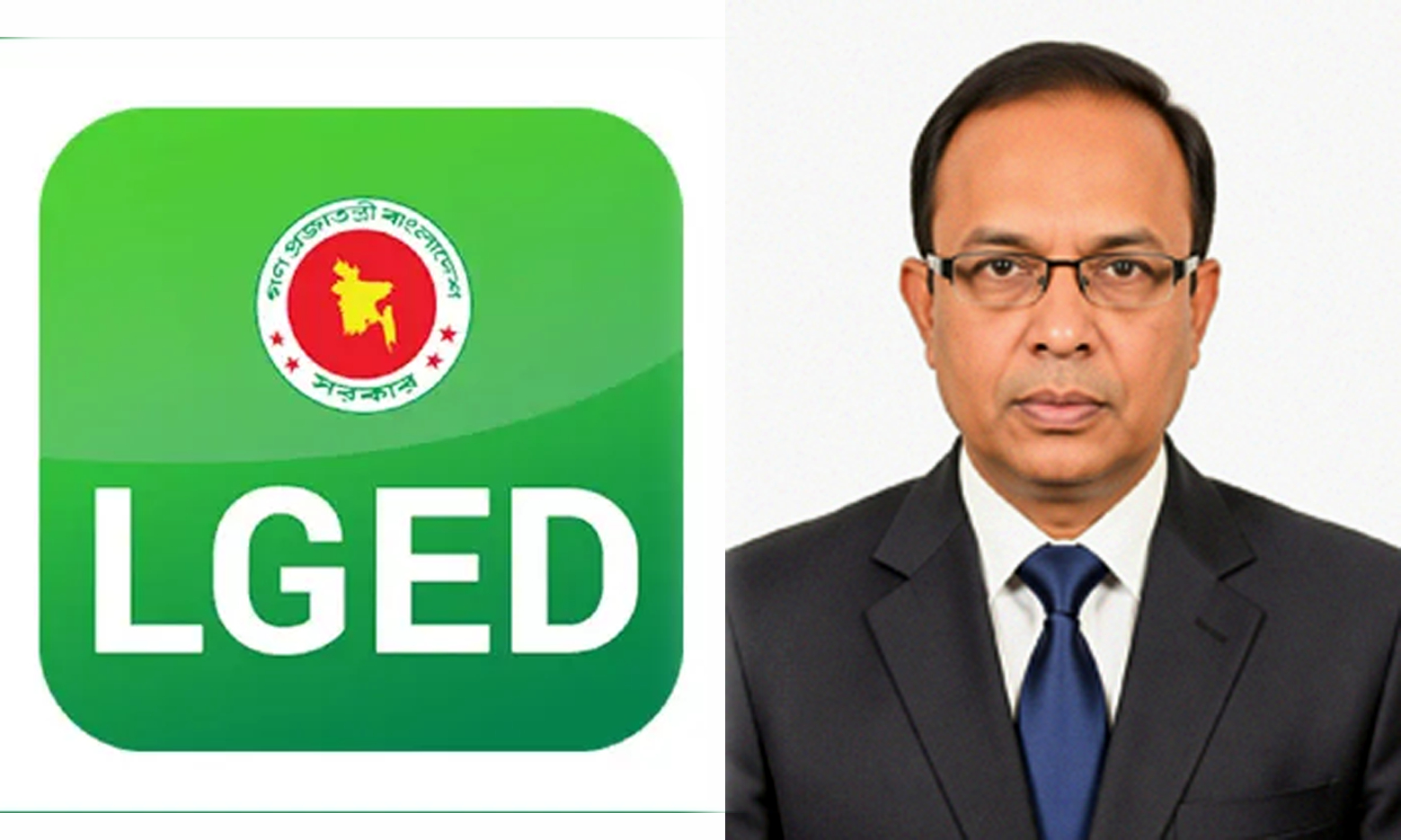
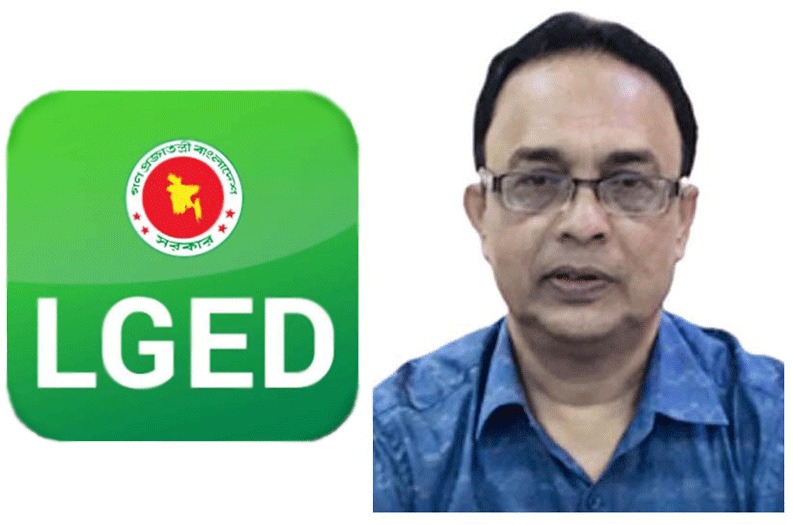
An Exclusive Interview with LGED Chief Engineer Md. Belal Hossain
Interview by Rezaul Karim Reza
The Local Government Engineering Department (LGED) has played a key role in developing rural infrastructure in Bangladesh for many years. Its work in building roads, bridges, culverts, rural markets, Union Parishad complexes, and small-scale water resource projects has made a significant contribution to the country’s economy and improved the quality of life for millions of people.
Despite challenges such as climate change, limited budgets, rising construction costs, and the growing need for sustainable infrastructure, LGED continues to move forward. What are the agency’s priorities for the future? What steps are being taken to prevent corruption, strengthen digital monitoring, and ensure construction quality?
In an exclusive interview with The Daily Present Times, LGED Chief Engineer Md. Belal Hossain shared his views on these important issues.
Question: As the Chief Engineer, what is your top priority?
Md. Belal Hossain:
LGED’s main goal is to support Bangladesh’s socio-economic development through sustainable infrastructure. Our work focuses on increasing agricultural and non-agricultural production, creating employment opportunities, strengthening local government institutions, reducing poverty, and improving the quality of life for people at the local level.
Over the past few decades, LGED has expanded its work far beyond rural road construction. Today, we are also making important contributions to urban infrastructure development and small-scale water resource management.
At present, LGED manages a road network of more than 400,000 kilometers, including nearly 163,000 kilometers of paved roads. We are also giving priority to urban service improvement, canal re-excavation, water management, and climate-resilient infrastructure.
In line with the government’s development priorities, we are implementing short-, medium-, and long-term programs to reduce regional disparities, build safer transport networks, protect the environment, develop disaster-resilient infrastructure, and strengthen the rural economy.
Question: What are the biggest challenges facing rural infrastructure development today?
Md. Belal Hossain: There are three major challenges.
The first is the limited budget for maintenance. Bangladesh has a vast road network that requires regular maintenance. Every year, floods, flash floods, and other natural disasters damage many roads. Repairing them quickly and keeping them usable is a major challenge.
The second challenge is the rising cost of construction materials. Instability in the global market, disruptions in supply chains, and higher fuel prices have significantly increased construction costs.
The third challenge is improving contract management to make project implementation more efficient, transparent, and timely. We are continuously working to strengthen our capacity in this area.
Question: Could you tell us about the progress of the major ongoing projects?
Md. Belal Hossain:
During the 2025–26 fiscal year, LGED is implementing 132 development projects. Among them, 96 projects are in rural development, 32 projects are in urban development, and 4 projects are related to small-scale water resources.
So far this fiscal year, the projects have achieved 84.13 percent financial progress and 89.68 percent physical progress.
Some of the major projects include the construction of important bridges on rural roads, rural infrastructure development in the Mymensingh region, rehabilitation of village roads, priority rural infrastructure development, restoration of roads damaged by Cyclone Amphan and floods, development of upazila and union roads in Chattogram Division, construction of Union Parishad complexes, elevated roads in haor areas, and major urban infrastructure projects.
Most of these projects have already achieved between 95 and 100 percent physical progress, which is very encouraging.
Question: Why do project costs and implementation time often increase? What measures are being taken to reduce these problems?
Md. Belal Hossain:
There are several practical reasons behind delays and cost increases.
The main reasons include delays in land acquisition, higher prices of construction materials, delays by contractors in completing their work, and, in some cases, weaknesses in contract management.
In addition, Bangladesh’s geographical conditions and soil characteristics require deep foundations for most large infrastructure projects, which naturally increase construction costs.
To address these challenges, we are improving project planning, design, monitoring, and contract management to keep both time and costs under control.
Question: People often complain that roads, bridges, culverts, and buildings become damaged soon after construction. What steps is LGED taking to ensure quality?
Md. Belal Hossain:
Ensuring quality is one of our highest priorities.
To achieve this, LGED has established fully equipped construction material testing laboratories at its headquarters, in all 64 districts, and in 46 upazilas. Equipment has also been supplied to set up laboratories in another 230 upazilas.
We regularly supervise construction work in the field, test construction materials, and inspect projects to maintain quality standards. If any defect or complaint is found, an immediate investigation is carried out and necessary corrective action is taken.
To be continued…
Views: 111