
Dhaka, the capital of Bangladesh, is now one of the most densely populated and rapidly growing megacities in the world. As the political, administrative, economic, and cultural hub of the country, millions of people flock to the city every day in search of livelihood and better opportunities. However, excessive population pressure, unplanned urbanization, the adverse impacts of industrialization, and prolonged neglect of environmental protection have pushed Dhaka into a severe environmental crisis. Air, water, noise, soil, and waste pollution have reached alarming levels, posing serious threats to public health, quality of life, and the well-being of future generations.
Once known for its greenery, surrounding rivers, and relatively clean environment, Dhaka has gradually transformed into a city dominated by dust, smoke, traffic congestion, noise, and unmanaged waste. Environmental pollution has significantly contributed to the rise of respiratory illnesses, cardiovascular diseases, cancer, mental stress, and various other health complications. Therefore, it is imperative to examine the causes, consequences, and effective solutions to environmental pollution in Dhaka.
In recent years, Dhaka has frequently ranked among the most polluted cities in the world. During the dry season in particular, air pollution often reaches hazardous levels, making outdoor activities risky for residents. Dust from roads and construction sites, emissions from outdated vehicles, and smoke from industrial facilities continuously contaminate the city’s atmosphere. At the same time, rivers, canals, and water bodies are increasingly polluted by industrial waste, plastics, and household garbage. Noise pollution has also become a major challenge in urban life. Moreover, the shortage of green spaces relative to the city’s population has contributed to rising temperatures, while the adverse effects of climate change have further increased environmental vulnerability.
One of the most critical environmental challenges facing Dhaka is air pollution. Every day, millions of microscopic dust particles and toxic gases enter the human respiratory system. The primary causes of air pollution include unregulated construction activities, road dust, old and poorly maintained vehicles, industrial emissions, open burning of waste, and diesel-powered transportation. Children, elderly people, and individuals with pre-existing health conditions are particularly vulnerable. Air pollution increases the risk of asthma, bronchitis, lung infections, heart disease, and lung cancer.
The rivers surrounding Dhaka were once vibrant ecosystems rich in biodiversity. Today, rivers such as the Buriganga, Turag, Balu, and Shitalakshya have been severely degraded due to industrial and human-induced pollution. Large quantities of untreated industrial effluents are discharged into these rivers daily. In addition, household waste, plastics, polythene, and sewage water flow directly into water bodies. Water pollution has led to a decline in fish populations and aquatic life, increased the prevalence of waterborne diseases, degraded groundwater quality, and disrupted ecological balance.
Noise pollution has become another serious environmental concern in Dhaka. Excessive vehicle horns, construction activities, loudspeaker use, generators, and various mechanical noises disrupt normal urban life. Environmental and health experts warn that prolonged exposure to excessive noise can have severe physical and psychological consequences. It may lead to hearing impairment, high blood pressure, sleep disorders, mental stress, and reduced productivity. Alarmingly, educational institutions and hospitals are often exposed to excessive noise levels.
Dhaka generates thousands of tons of waste every day. A significant portion of this waste is not managed properly. The indiscriminate disposal of garbage along roadsides, canals, drains, and open spaces contributes significantly to environmental degradation. Plastic and polythene waste clog drainage systems, causing waterlogging during rainfall. Toxic gases emitted from decomposing waste further threaten environmental and public health. Moreover, the open burning of waste exacerbates air pollution.
Adequate green spaces are essential for maintaining a healthy urban environment. However, as Dhaka’s population continues to grow, open spaces and vegetation are rapidly disappearing. Trees are often cut down to make way for new buildings and infrastructure. As a result, urban temperatures are increasing, air quality is deteriorating, biodiversity is declining, and the Urban Heat Island effect is intensifying. Dhaka is gradually turning into a concrete jungle where nature’s presence is shrinking day by day.
Environmental pollution not only threatens public health but also adversely affects the national economy. Pollution-related diseases increase healthcare costs and reduce workforce productivity. Children’s education and overall quality of life suffer as a consequence. Furthermore, a polluted city negatively impacts foreign investment, tourism, and the country’s international image, thereby hindering sustainable economic development.
Addressing environmental pollution in Dhaka requires coordinated, long-term, and effective measures. Dust control mechanisms should be made mandatory at construction sites. Old and smoke-emitting vehicles should be phased out, while environmentally friendly public transportation systems should be expanded.
Every industrial facility must be required to install and operate Effluent Treatment Plants (ETPs). The discharge of untreated waste into rivers must be completely prohibited. Waste segregation, recycling, and the adoption of modern waste management technologies should be promoted. The use of plastic should be reduced and environmentally friendly alternatives encouraged.
Unnecessary honking must be discouraged, and noise control regulations should be strictly enforced. Silent zones should be established and maintained around hospitals and educational institutions. Urban planning should prioritize the preservation and expansion of green spaces. Large-scale tree plantation programs should be implemented along roadsides, in educational institutions, and on government-owned land. Illegal encroachments on rivers and canals must be removed. Regular dredging and cleaning activities should be conducted to ensure the natural flow of water bodies.
Public participation is equally essential in environmental protection efforts. Awareness programs should be strengthened through educational institutions, mass media, social organizations, and local government bodies. Future urban development must be environmentally sustainable, emphasizing pedestrian-friendly infrastructure, bicycle lanes, public parks, and the preservation of water reservoirs.
The government’s role in combating environmental pollution is crucial. Environmental laws must be strictly enforced, effective actions should be taken against polluters, and sustainable development policies should be formulated and implemented. Greater coordination among relevant institutions and the adoption of modern technologies are necessary. Research and evidence-based policymaking should also receive greater emphasis.
However, environmental protection cannot be achieved through government efforts alone. Every citizen must act responsibly. People should refrain from littering, reduce plastic consumption, plant trees, conserve water and electricity, and adopt environmentally friendly lifestyles. An informed and responsible citizenry can play a vital role in building a cleaner and more livable Dhaka.
Environmental pollution in Dhaka has now become a matter of national concern. Air, water, noise, and waste pollution continue to threaten the quality of life of urban residents. If effective measures are not taken immediately, the situation may become even more severe in the future. To build a healthy, safe, and livable Dhaka, the government, local authorities, environmentalists, media organizations, social groups, and citizens must work together. Protecting the environment is not merely a responsibility; it is a moral commitment to future generations. Through collective efforts to create a greener, cleaner, and pollution-free Dhaka, Bangladesh can achieve sustainable development and secure a better future for all.
Author Profile:
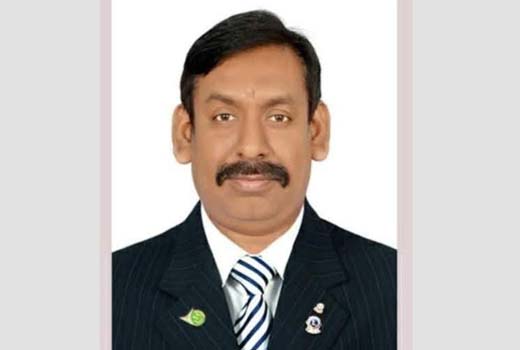
Lion Md. Gani Miah Babul
Teacher, Poet, Columnist, Social Worker, and Organizer
Founder President, Bangladesh Government Secondary Teachers Association (Agriculture), Central Committee
Joint Secretary General, Nirapad Sarak Chai (NISCHA), Central Committee
70 Kakrail, Dhaka, Bangladesh
E-mail: lionganibabul@gmail.com
Views: 0