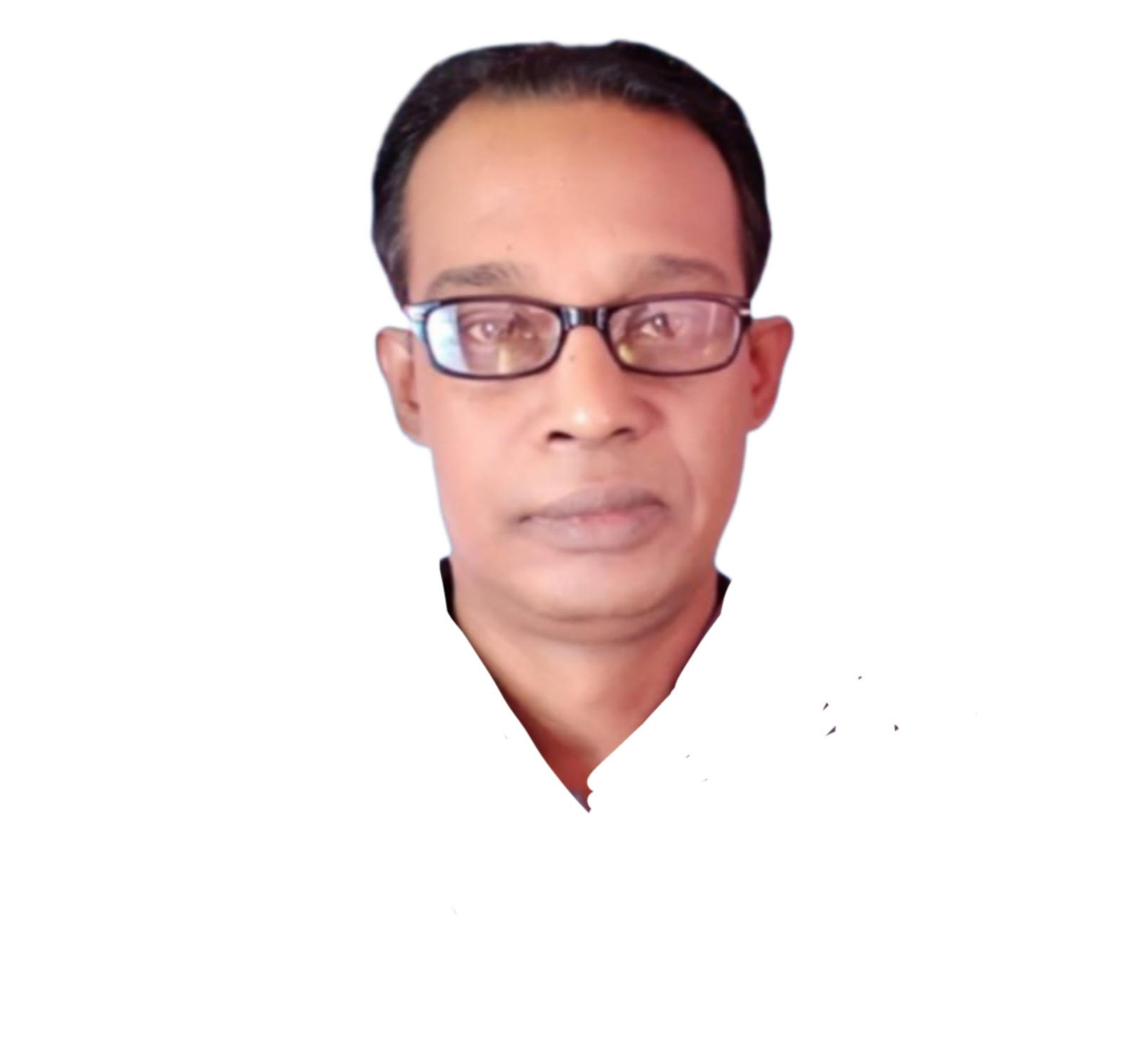
Rabiul Hossain Chowdhury Ripon:
Discussion on educational qualifications is not new in society. Especially the debate on the qualifications of journalists often comes to the fore. But at the same time, a fundamental question is becoming more and more urgent—shouldn’t there be clear educational and character standards for those who directly formulate laws, set policies, and determine the fate of the people at the local level?
If a journalist makes a mistake in his writing, he has the opportunity to correct it through editorial supervision, corrections by colleagues, and reader feedback. But the wrong decision of a public representative affects the lives of thousands of people, which is not easily corrected later.
Journalism: Then and Now
Journalism of that time was based on responsibility, fact-checking, ethics, and commitment to the public interest. Limited technology, limited opportunities—yet the main goal was the pursuit of truth.
Journalism of this time has entered an era of technology-dependent, fast-paced, and instant dissemination. Online, social media, live updates—all of this news is now spread instantly. However, with the increase in speed, there are also complaints of lack of fact-checking, confusion, and degradation of standards due to competitive pressure. Yet, one of the great strengths of journalism is that there is room for correction. Editorial structure, peer review, and reader monitoring pave the way for correcting mistakes.
Why standards are more important for public representatives A decision by a member of the National Assembly can affect the country’s laws, economy, and civil rights. Similarly, the decision of the chairman or member of the Union Parishad directly affects local public life, including VGD, TCB facilities, roads, and social safety nets. If uneducated, incompetent, drug addicts, possessive, or dishonest people sit in these positions—then that damage sets society back in the long run.
Integrity of character: Greater than a degree
Education is not just a certificate; it is the practice of honesty, morality, and social responsibility. If someone involved in serious crimes, has a violent mentality or is accustomed to abusing power becomes a public representative, public trust is broken and good governance is weakened. Actions: Realistic proposals 1) Determination of minimum educational qualifications
Determine minimum educational standards for members of parliament, upazila/union level public representatives step by step. 2) Mandatory disclosure of criminal records and drug addiction information Make it mandatory to disclose the candidate’s criminal cases, sentences, and drug addiction history (if any) along with the nomination paper.
3) Declaration of assets and conflicts of interest Public disclosure of the candidate’s assets, income, and potential conflicts of interest.
4) Public screening of candidates (Public Hearing) Before the election, screening of candidates’ qualifications through open meetings with citizens. 5) Mandatory orientation and training for elected officials Institutional training on laws, budgets, social security programs, ethics, and good governance. 6) Performance evaluation and annual public report card: The progress of the work of elected public representatives is published and evaluated once a year. 7) Parallel initiatives to improve the quality of journalism include fact-checking culture, strengthening editorial policies, training and increasing ethical practices—so that the media itself can also be an example of strong standards. Discussions about the qualifications of journalists can go on, because the media is a mirror of society. However, ensuring the qualifications and integrity of those who make the country’s laws and determine the standard of living of the people at the local level is the biggest demand of the time. The responsible journalism of the past teaches us—if there are standards, the profession is strong. Similarly, if clear standards, transparency and accountability are ensured for public representatives, the state and society will be able to stand on a stronger foundation.
Views: 3