
A state becomes truly strong when its administration stands firmly on the foundations of justice, merit, and accountability, guided by honest and dedicated officials. However, the reality that Bangladesh faces today is deeply concerning. Principles and institutional discipline are increasingly yielding to personal and political influence. A nation that began a new chapter through mass movements, struggle, and sacrifice now risks having its administrative structure weakened under the weight of informal practices such as DO (Demi-Official) letters. This is not only disappointing but also poses a serious threat to the moral backbone of the state.
DO letters have significantly distorted : decision-making within the education sector. Merit, fairness, and ethical standards are being sidelined, while personal recommendations and lobbying take center stage. Behind almost every administrative file lies invisible pressure a phone call, a recommendation, or political influence that immobilizes officials, obstructs justice, and erodes public trust. This situation is particularly alarming, as administration forms the backbone of a nation’s future, especially in the education sector. As a conscious citizen, I firmly believe that political identity must never be used as a tool for undue influence within administration. Rather, political leadership carries the responsibility to uphold justice and discipline by ensuring that administration remains free from such pressures, allowing competent and honest officials to perform their duties independently.
DO Letters: A Distorted Administrative Practice :
Originally intended as a semi-official mode of communication, DO letters have now become a silent instrument of power and influence. Through these letters, decisions regarding promotions, transfers, and key appointments are being manipulated, raising serious questions about administrative fairness.
Undermining the Rule of Law : The Government Servants (Conduct) Rules, 1979 clearly prohibit public officials from using political or personal influence in matters related to their service. When such rules are openly disregarded, it is not merely a violation it is a direct affront to the legal framework of the state.
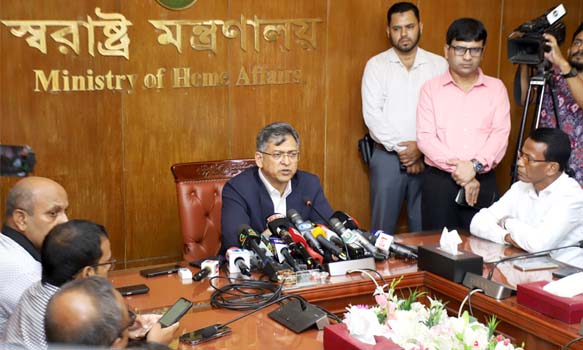
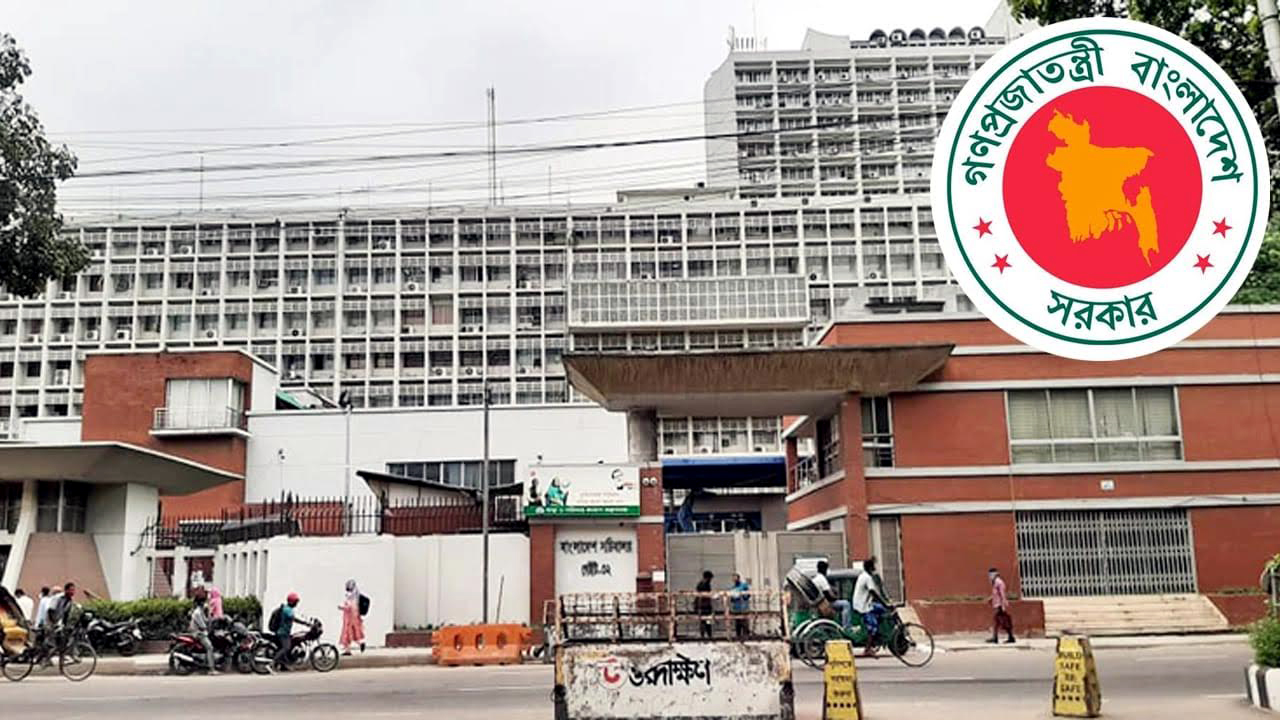
Ministry of Education: A Hub of Influence : The Ministry of Education has, in many ways, turned into an unofficial arena of lobbying. The daily influx of officials, Teachers and politically backed individuals has rendered administrative processes nearly stagnant. Its corridors increasingly resemble a marketplace of recommendations rather than a center of policymaking.
Devaluation of Merit: A Silent Injustice : The greatest strength of any state lies in its human capital. When merit is overshadowed by influence, the consequences are profound. Competent individuals are marginalized, while the influential gain undue advantage resulting in a loss that extends beyond individuals to the state itself.
The Legacy of the Past, Reflected in the Present :
The administrative politicization of the past decade and a half continues to cast a long shadow. Irregularities, favoritism, and influence-driven practices have not been fully eradicated; rather, they have evolved into more complex forms.
Expanding Dimensions of Influence : What was once a one-dimensional pressure has now become multi-faceted. Various political groups, influential actors, and individuals exert pressure on administration, making it increasingly difficult for officials to make principled decisions.
The Silent Agony of Administration : Many officials privately acknowledge that they know the right course of action, yet lack the courage or opportunity to pursue it due to prevailing pressures. Each file carries the burden of multiple recommendations and subtle or direct coercion. This silent agony reflects not individual weakness, but a deeply flawed system where even duty-bound officials become helpless components of a compromised structure.
Role of Ministers and Advisers: Expectation vs Reality : Public expectations from those in leadership are rooted in the highest standards of integrity. However, when they themselves issue DO letters for personal or political recommendations, such letters cease to be mere suggestions and instead function as implicit directives. This creates psychological pressure within administration, where recommendations outweigh rules, undermining institutional autonomy and discouraging principled officials.
Institutionalization of Corruption : DO letter culture has extended beyond lobbying to include allegations of financial transactions linked to postings and appointments. What was once isolated is now gradually becoming institutionalized a normalization of irregularity that represents one of the most dangerous forms of corruption.
Long-Term Impact on Education : Education is not an ordinary sector; it is the foundation of a nation’s future. When influence replaces merit, the consequences span generations. Past experiences particularly in public university leadership appointments—demonstrate how loyalty and lobbying have often outweighed competence, resulting in weak leadership and subsequent irregularities.
Policy Paralysis : The burden of lobbying not only distorts decisions but also slows them down. Valuable time and attention are diverted to managing informal requests, leaving critical policy formulation and implementation delayed. As a result, the education sector becomes stagnant rather than dynamic and forward-looking.
Crisis at the Field Level : This problem extends beyond ministries to district and উপজেলা levels, where officials face local political pressure, social expectations, and media scrutiny. Balancing policy compliance with external demands creates a complex and often insecure working environment.
Marginalization of the Competent : Those unwilling or unable to engage in lobbying gradually fall behind, while others leverage influence as a substitute for competence. This creates systemic inequality, where merit and integrity are undervalued and unethical practices are rewarded.
Aspirations vs Reality : While we aspire for a Bangladesh founded on justice, equality, and accountability, the persistence of DO letter culture highlights the gap between vision and reality. Reform remains incomplete.
Political Responsibility and Ethical Duty : Politics is not a vehicle for personal influence but a responsibility to serve public interest. When political identity becomes a tool for administrative interference, governance suffers. Leadership must ensure respect for rules and institutional discipline, where public representation does not override established procedures.
The Need for Administrative Reform : Addressing this crisis requires structural reform. Transfer and posting processes must be fully digitized and automated to eliminate personal influence. DO letters should be treated strictly as recommendations, not directives. Accountability mechanisms must be enforced for both officials who act beyond rules and those who exert undue influence.
A Call to Government : There is a strong public expectation that the current leadership will take decisive steps to eliminate this culture. Ensuring transparency and accountability in education administration, establishing independent oversight, defining clear guidelines for recommendations, enhancing professional training, and creating accessible complaint mechanisms are essential measures.
Conclusion: The Time to Decide : DO letter culture reflects long-standing weaknesses within our administrative system, where principles often yield to personal influence. Overcoming this situation requires strong political will, ethical leadership, and a firm commitment to good governance. Today, Bangladesh stands at a critical juncture, where the right decisions will determine the foundation of its future. Millions of citizens expect a welfare-oriented government under the leadership of Tarique Rahman one that ensures a transparent, accountable, and justice-based administration, where decisions are made on the basis of merit and established rules. The end of this unhealthy culture could mark the beginning of a broader ethical reconstruction of the state. We firmly believe that if the current government, under the leadership of Tarique Rahman, remains steadfast in pursuing ethical and institutional reforms, Bangladesh will soon rise to new heights as a strong, just, and humane nation. In such a system, administration will not merely represent a structure of power, but a symbol of public service; and the foundation of the state will stand firmly on integrity, ethics, and justice reflected in the trust and appreciation of its people.

Author: Zubeyea Binte Kabir
Economist, Researcher, Journalist, and Columnist
Views: 3